HR teams track time-to-fill, finance teams rarely do. That disconnect is part of why this problem never gets the urgency it deserves.
When a role sits open for 45, 60, or 90 days, the business absorbs costs that are scattered across departments and never neatly attributed to “recruiting inefficiency.” But they’re real and they’re compounding.
💰 The Full Cost of a Vacant Role
Direct recruiting costs—job board postings, agency fees, recruiter hours—are just the visible tip. The full cost of vacancy includes:
Lost productivity. The work the role was supposed to do either doesn’t get done, gets done poorly by someone stretched thin, or gets distributed to colleagues who are already at capacity. This has a real revenue and output cost.
Manager time. Every day a role is open, a hiring manager is spending time reviewing resumes, conducting interviews, giving feedback, and worrying about team capacity. That time has an opportunity cost.
Team morale. When a team is understaffed for months, burnout accumulates. Ironically, a slow hire can directly cause future turnover—the problem replicating itself.
Offer competition. The longer your process takes, the more likely your top candidate accepts a competing offer before you extend yours. A slow process doesn’t just cost time—it costs specific hires.
Industry estimates suggest that the fully-loaded cost of a vacant role runs between 1-3x the annual salary of the position, depending on seniority. For a $100K role open for 60 days, that can easily exceed $15,000-25,000 in direct and indirect costs.
📈 Why Time-to-Fill Keeps Getting Worse
If the costs are so real, why aren’t most recruiting teams getting faster?
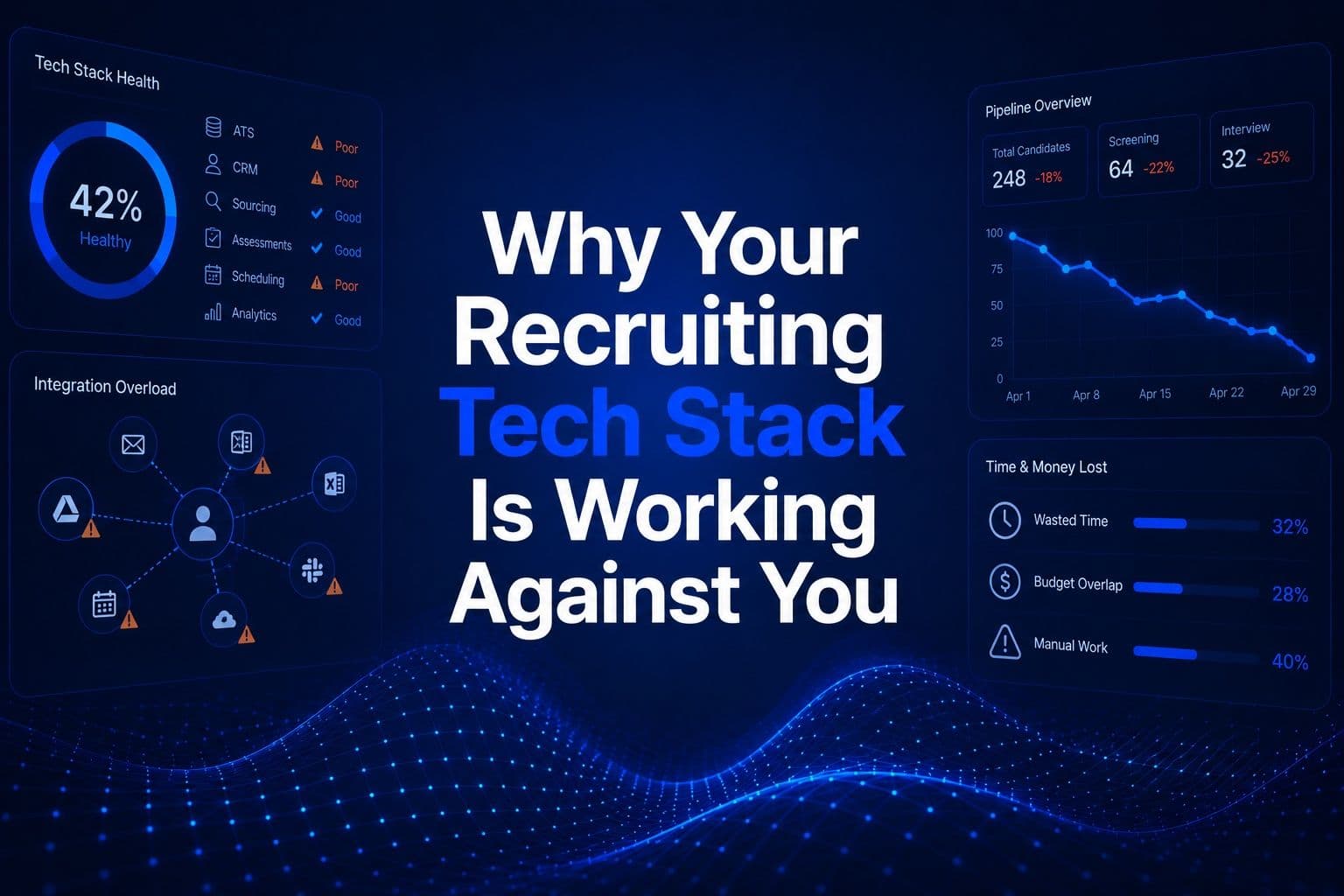
Because the tools they’re using were designed for a different era. Legacy ATS platforms require manual steps at every stage: manually sourcing candidates, manually scheduling interviews, manually collecting feedback, manually generating offer letters. Each handoff between people and systems is a potential delay.
Add in disconnected tools—your ATS can’t see your calendar, your interview feedback lives in a separate system, your offer template is in a Word doc somewhere—and you get a process that takes 6 weeks when it should take 2.
The problem isn’t that your recruiters are slow, It’s that the system they’re running requires a lot of human intervention just to function.
⚡ Where SCALIS Changes the Math
SCALIS was designed to eliminate the manual bottlenecks that inflate time-to-fill. In practice, that looks like:
Day 1: Role goes live, Bella starts sourcing from 700M+ profiles, invitations go out to high-fit passive candidates. You’re not waiting for applications—you’re building a pipeline from the moment the role opens.
Days 2-7: Qualified candidates are in your funnel. Scheduling happens with one-click links and real-time calendar sync—no back-and-forth email chains.
Interview stage: AI summarizes conversations, auto-populates scorecards, and surfaces structured feedback. Your team has what they need to make fast, confident decisions.
Offer stage: Contracts and offer letters are generated within the platform. One-click ease, no Word document hunting.
The result is a process measured in weeks rather than months, without cutting corners on quality.
🧮 Do the Math for Your Own Roles
Here’s a useful exercise: take your three most recently filled roles. Calculate how long they were open. Multiply that by a conservative 1x annual salary estimate for vacancy cost.
Now ask: what would it be worth to cut that time in half?
For most companies, the answer makes the cost of a new platform look very small.
👉 Book a SCALIS demo to see how our customers are cutting time-to-fill without sacrificing quality.